

Your teeth play vital roles in daily life — they do much more than just chew. From speaking clearly to supporting your smile, jawbone, and facial contours, healthy teeth are essential to your overall well-being.
Yet even the strongest teeth can weaken or become infected over time. The good news? Tooth failure does not always mean tooth loss.
In this article, we explore how root canal treatment in Singapore can save infected teeth, relieve pain, and give your natural smile a second chance.
How Does Infection Within a Tooth Occur?
Common dental issues such as decay, cracks or trauma can eventually lead to infection of the pulp – the soft tissue at the core of the tooth. The pulp consists of connective tissue that performs several key functions:
- It maintains the nutrient supply
- It transmits sensations such as temperature or pressure
- It defends against irritants, producing dentin (protective hard structure) and triggering
immune responses
When overwhelmed by bacteria, chemical or mechanical stimuli, the pulp becomes inflamed or infected. This is a condition known as pulpitis, which may progress to pulp necrosis (death of the pulp). When this happens, non-surgical root canal treatment is usually the first line of care to preserve the tooth.
Root Canal Treatment and Its Prognosis
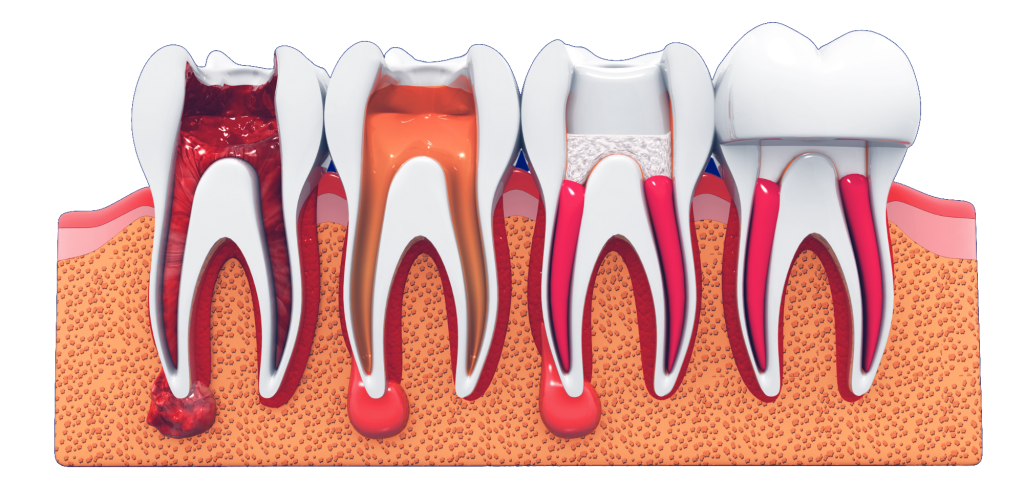
Can Root Canal Treatment Fail?
Yes — and for a number of reasons:
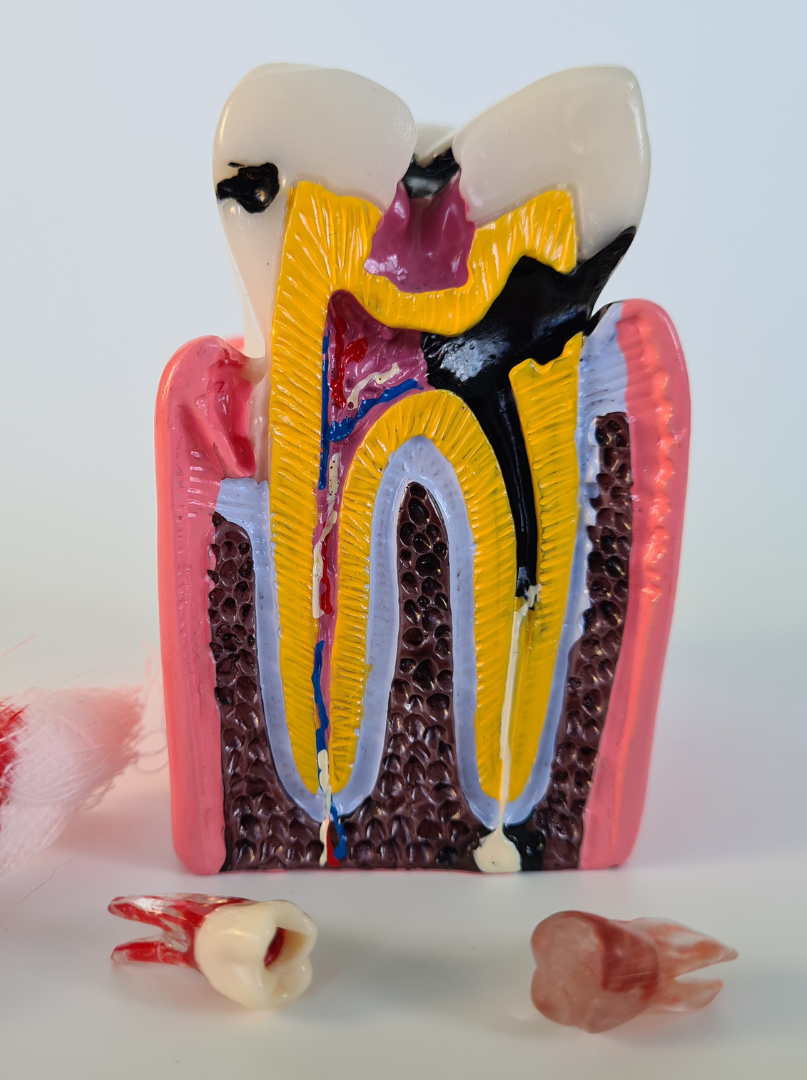
Complex root anatomy such as narrow or curved canals, can make thorough disinfection difficult
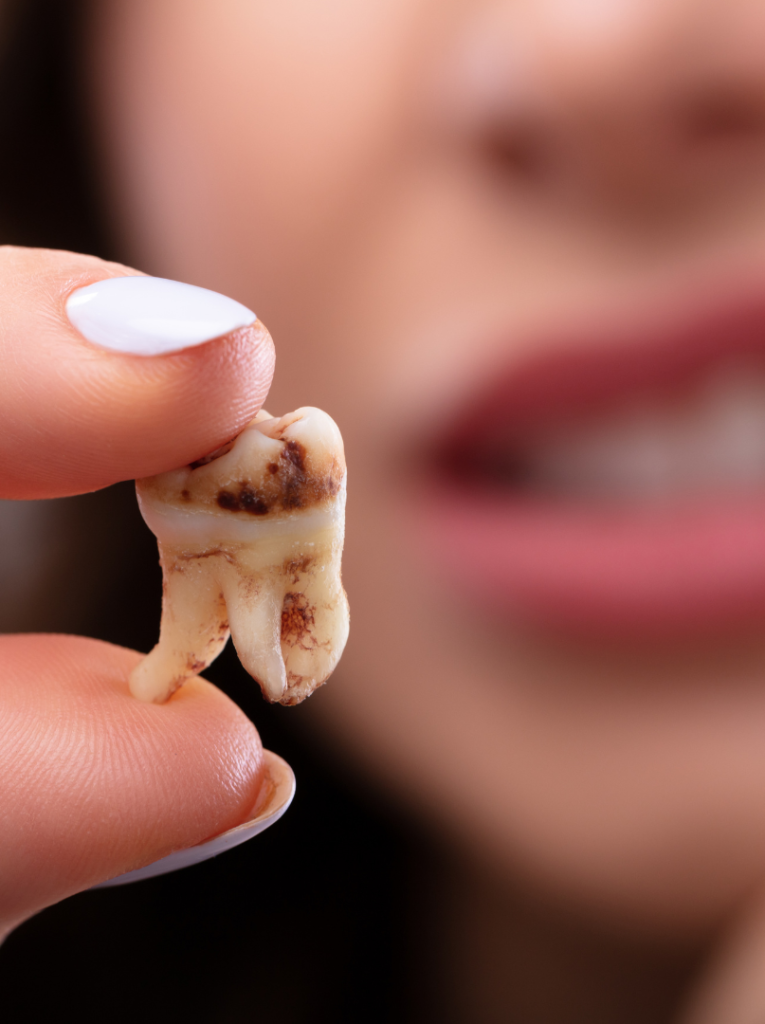
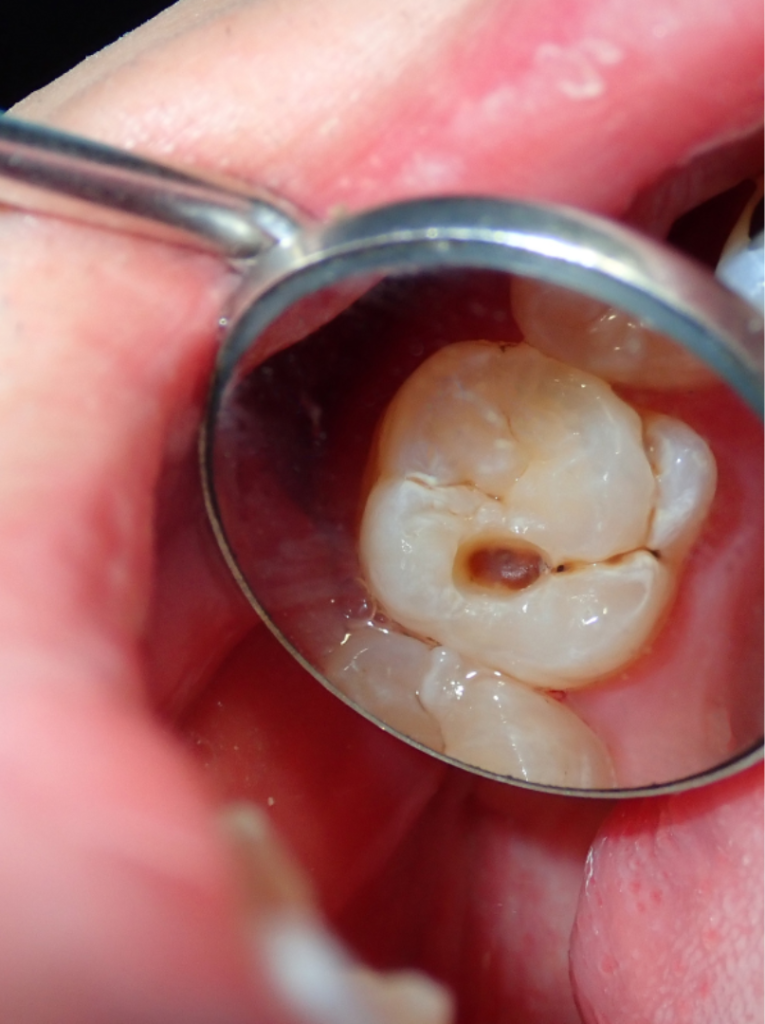
Missed canals, leakage from poorly sealed restorations, or new decay may reintroduce
bacteria
Root fractures may occur from repeated stress

Compromised host immunity, such as from smoking or chronic health conditions, may reduce healing
Root Canal Surgery — What Does It Involve?
Root canal surgery is an umbrella term that encompasses several methods tailored to the cause of failure:
A. Root-End Surgery
The most commonly performed surgical option. Involves removing the tip of the root and surrounding infected tissue, then sealing the root end with a biocompatible material (compatible with the body). Useful for managing blocked canals or lesions like cysts
B. Root Amputation
An infected root (in a multi-rooted tooth) is removed while preserving the crown and remaining roots. This is effective when the disease, such as cracks or gum disease, is isolated to one root.
C. Hemisection
The tooth is divided, and the diseased half is removed. Typically applied to lower molars, allowing the healthy half to be retained and restored.
D. Intentional Replantation
The tooth is extracted, the root-end treated outside the mouth, and then replaced within its socket. This technique can be useful when surgical access is limited, or vital structures (like nerves) are nearby
E. Root Repair
For teeth with defects along the root, including damage from resorption or prior treatment. Resorption occurs where the hard structure of the tooth is damaged by cells of the bone and surrounding connective tissue. Resorption can be naturally occurring or triggered by disease processes. The affected area is cleaned and sealed with biocompatible materials via a surgical approach.
All of these are typically performed by an root canal (endodontic) specialist, who can determine which approach is best suited to your case.
How Long Will the Tooth Last After Surgery?
Understandably, many patients fear that surgery is invasive with uncertain outcomes — especially if they have already been through treatment before.
However, root canal surgery is usually performed under local anaesthesia, and most cases are completed as day procedures, often in 1–2 hours. Treatment duration may be longer if they involve multiple teeth or large cysts. Sedation is also available for patients with anxiety or discomfort concerns.
Studies show that root canal surgery has success rates of 70–90%, comparable to non-surgical retreatment — and outcomes can last 10 years or more. In some cases, it may even be the better option, depending on the nature of the disease.

Why Saving Teeth Still Matters
Conclusion
Root canal surgery may once have been viewed as a last resort, but in today’s world of advanced techniques and high success rates, it can be a powerful tool to retain teeth that might otherwise be lost.
If you have symptoms of a failing root canal or have been told your tooth cannot be saved — a second opinion from an endodontist can make a difference.

BDS (Singapore)
MDS (Endodontics) (Singapore)
M Endo RCS (Edinburgh)
FAMS
Dr. Mandy Leung is an accredited Specialist in Endodontics with the Singapore Dental Specialist Accreditation Board. She focuses on managing complex root canal conditions, including surgical and non-surgical treatments, cracked teeth, dental trauma, and vital pulp therapy.
She is committed to providing gentle, comprehensive care for her patients and has been recognised for her service excellence with the Singapore Health Quality Service Award (Gold) and the 10-Year Long Service Award (2023).
